

Product-grade engineering
We build client systems the way we build our own products — version-controlled, tested, documented, and monitored. You own the code and the repositories from day one.

AppliconSoft is an AI engineering studio with 20 years of delivery behind it — 70 engineers, 2,000+ shipped projects, and 5 AI products of our own.
We design, build, and run AI systems that survive real users and real data.
AppliconSoft is an engineering studio, not a body shop. For 20 years we’ve shipped software for clients across the US, UK, EU, and the Middle East — and for the past three we’ve been building our own AI products. When you hire us, you get the same team that ships those products: senior engineers, real QA, and delivery discipline that survives contact with production.
We build client systems the way we build our own products — version-controlled, tested, documented, and monitored. You own the code and the repositories from day one.

Our engineering teams work overlapping EST and GMT hours, with a US-based contact for sales and account management. You get same-day answers, not next-week ones.

2,000+ projects over 20 years. 90% delivered on or ahead of deadline. Weekly written reports on every engagement — what shipped, what’s next, and what we need from you.
Use AI, automation and data science to process information, predict outcomes and build smarter applications with confidence and clarity for growth.
Build secure, scalable custom software and backend systems that streamline workflows, connect data, and support long-term business growth online.
Design polished digital experiences and responsive front-end interfaces that help users understand, trust, enjoy and convert with clarity and ease.
Create fast, secure and responsive websites or web applications that improve user experience, operations, visibility and digital growth at scale.
Build modern Android, iOS and cross-platform mobile applications with smooth UX, secure integrations and scalable features for business growth online.
Launch secure, scalable E-Commerce stores with smooth shopping journeys, flexible product management and reliable payment integration for growth.
Manage content with flexible CMS platforms, custom themes, secure plugins and easy editorial workflows built for content growth and control online.
Develop secure blockchain concepts, integrations and decentralized applications that improve transparency, trust and digital workflow control safely.
We don't just build AI for clients — we ship our own. These products are designed, engineered, and operated end-to-end by the same team you'd hire. They're the reason we know what breaks in production, and how to build systems that don't.
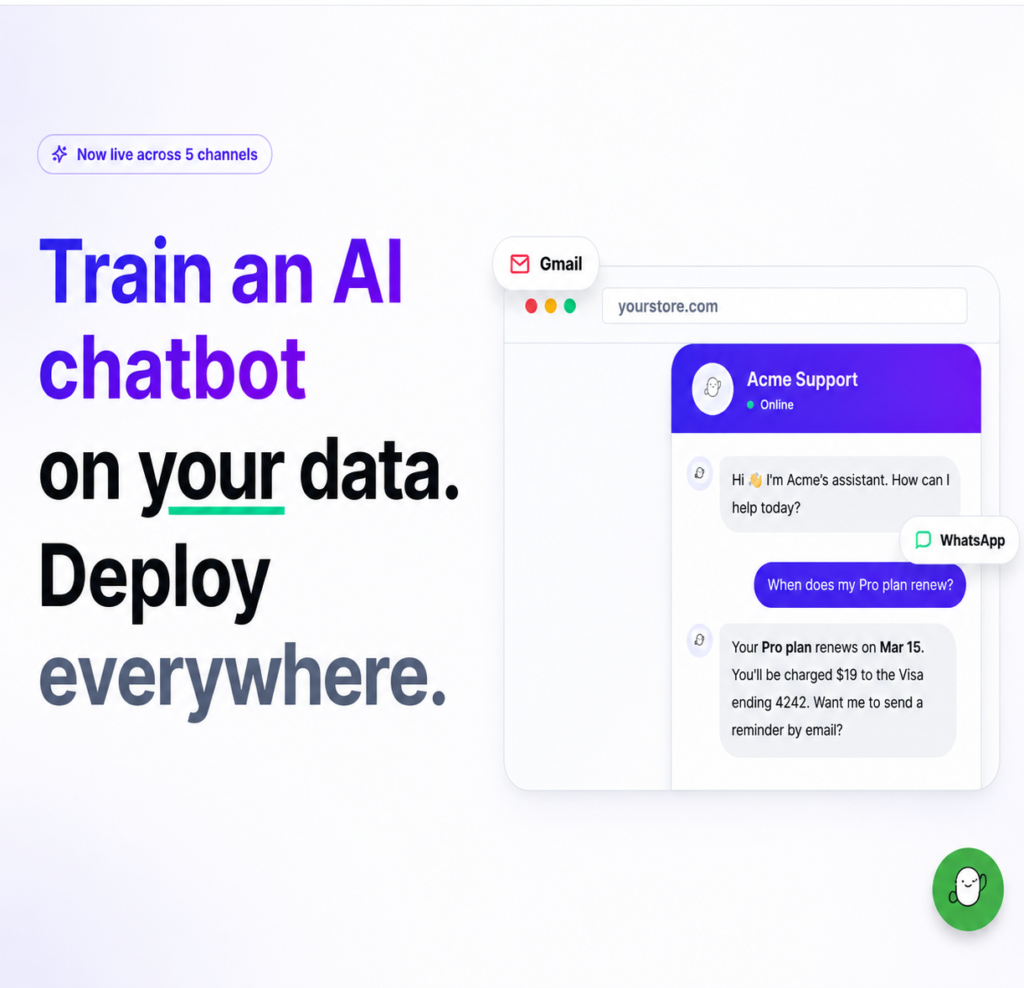
ChatCactus is a live AI support agent for businesses that want customers to get...
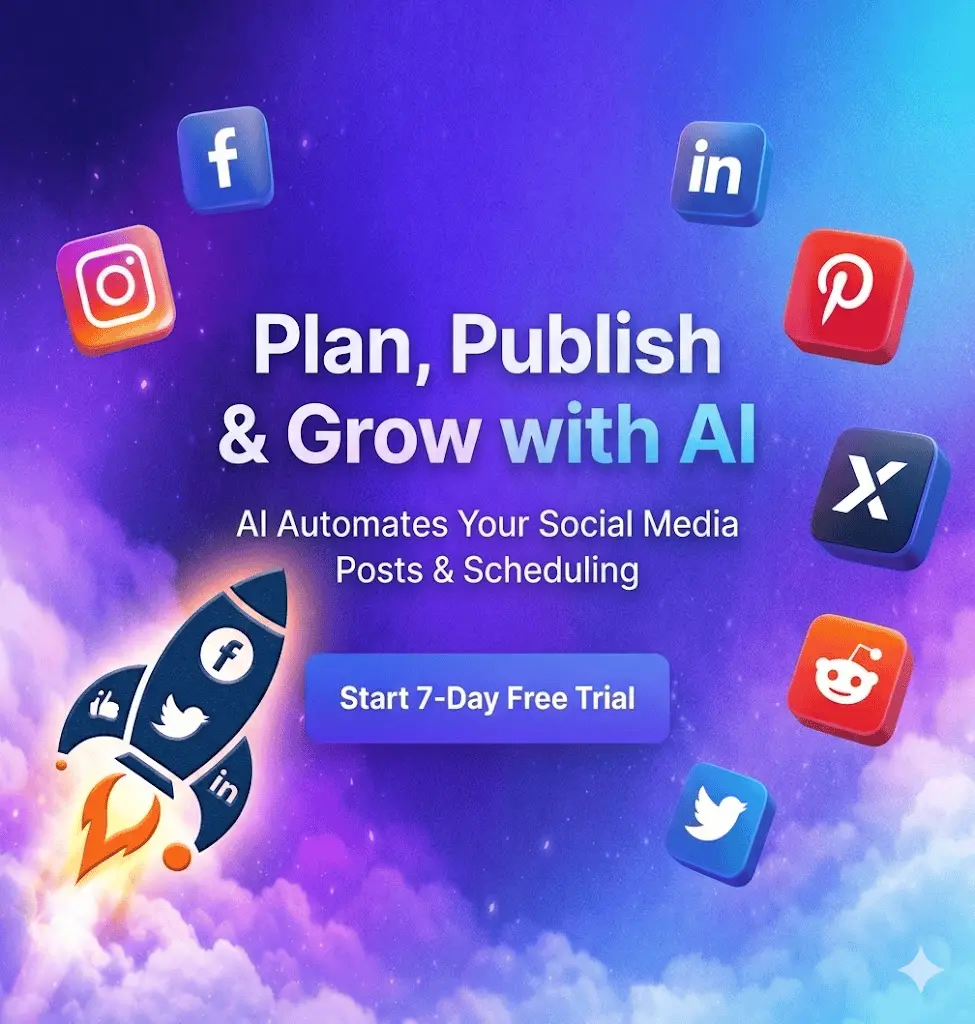
Explore publicly documented AI-assisted content creation, brand-context personalization, campaign scheduling, publishing, and website monitoring.
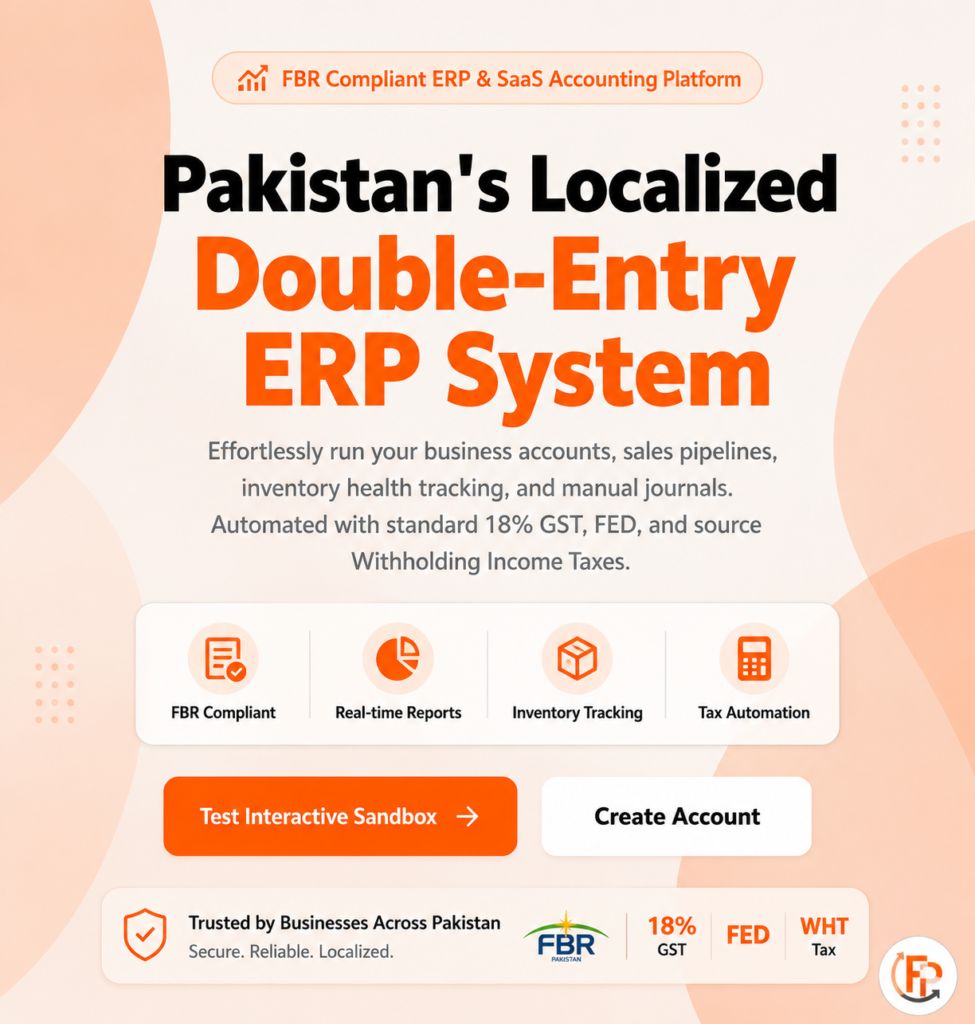
FlowLedger Pro is an AI bookkeeping product in production with paying businesses. It is...
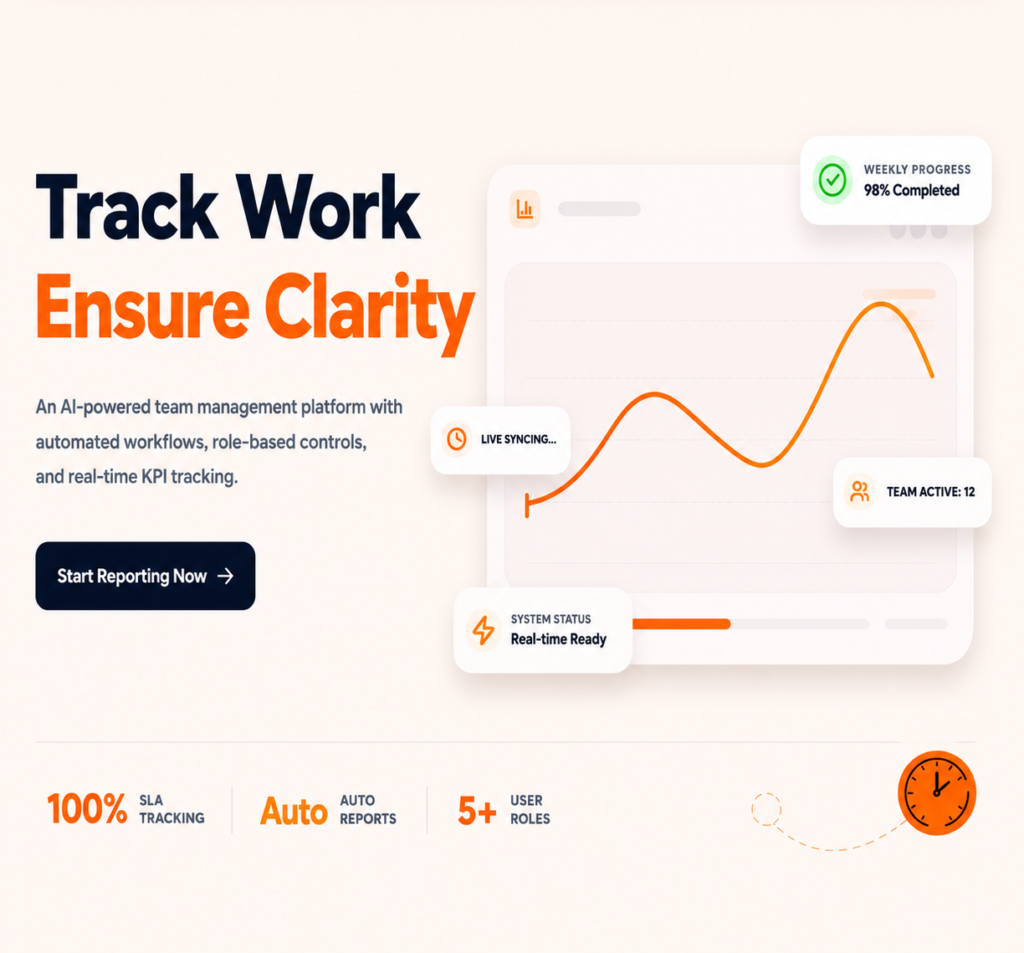
TeamSuite AI is an AI-assisted project and team management product. It is intended for...
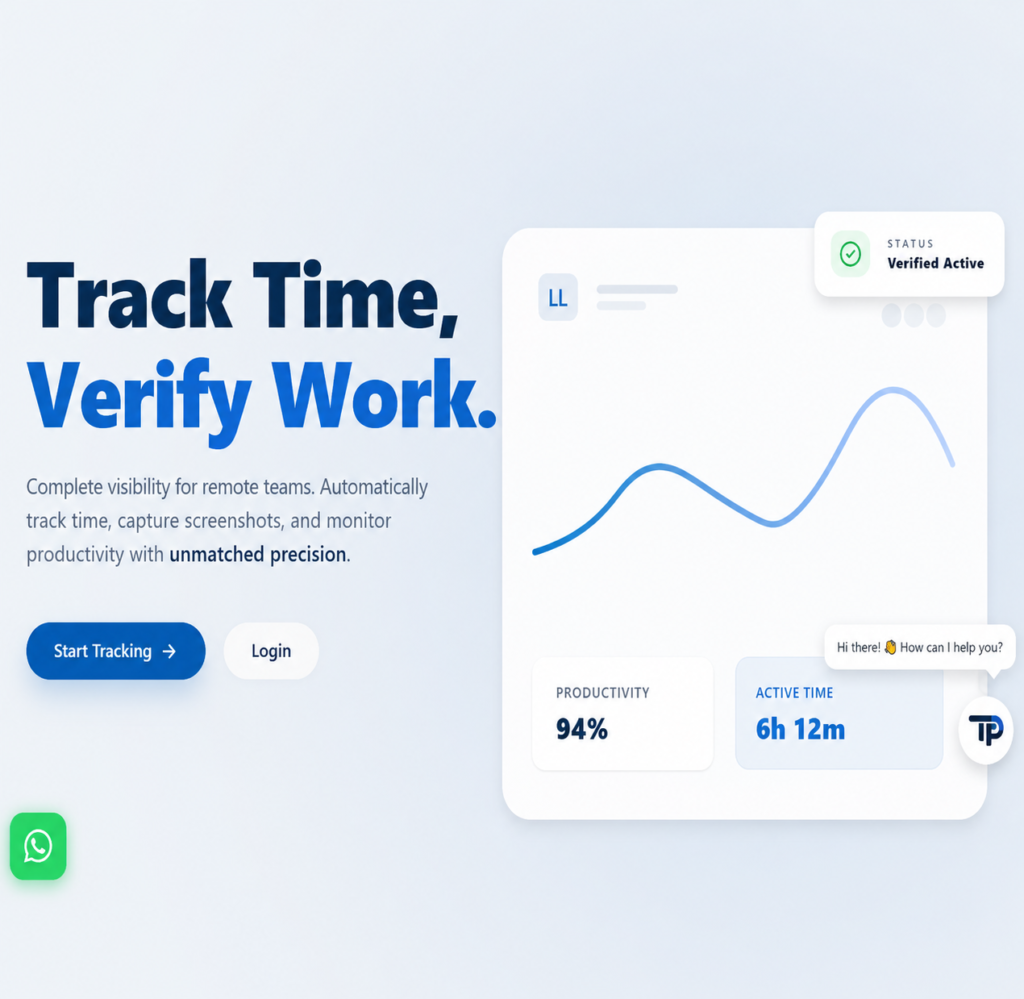
TrackPilot AI combines time tracking with automatic AI insights. It is intended for individuals...
AppliconSoft came to life through the collaboration, drive and dedication of a group of seriously passionate and committed individuals. Our foundation was created on the principles of building and implementing great ideas that drive progress for our clients and enhance lives through enterprise solutions. This collaboration has been many years in the making. We are so proud to finally come together to be the solution you have been looking for.
More about usWe possess extensive experience in developing applications. We have the capability to develop any type of application from tweaking a website to building a brand new product with perfection.






AppliconSoft has done excellent work for me. Their team is helping bring my system into a more modern web-based environment, and I have been genuinely excited about the project. Their work has also inspired new ideas for improving the system and developing future solutions.
I am very glad to have found them and their services.
We were impressed with AppliconSoft from our first interaction. Their team quickly understood our needs and delivered a suitable solution in a short time. Their customer care has also been excellent, with regular follow-ups and consistent availability whenever we need support.
When our workload increased suddenly, they understood our situation in one call and had the right engineers contributing within days. Their communication, industry knowledge, and commitment made a meaningful difference to our business.
When our main programmer left, we were left with several projects that still needed to be completed. AppliconSoft helped us get back on track by providing two dedicated engineers with strong technical skills at a reasonable cost. We have been very impressed with their service and have already recommended them to other companies.
AppliconSoft offered a cost-effective solution, which encouraged us to explore their services further. After speaking with their technical manager, we felt confident moving forward. We ultimately used them for the full project and have been pleased with the results. We look forward to continuing a long-term relationship as our business expands internationally.
AppliconSoft’s team is technically strong and understands client requirements well. Our company has been very satisfied with the services they provided. Their communication remained clear throughout the project, and their technical support was especially valuable during challenging stages.
We have listed almost all kinds of problems that are faced by the user everyday. Here are some solutions.
Data should be encrypted when stored and during transfer. Biometric authentication should be implemented, and security audits should be conducted regularly. Using the “privacy-first design” concept guarantees that applications will be limited to the necessary data, hence users will get more trust and confidence.
Design models that are both transparent and interpretable. Teams should perform bias checks as part of the training process. They should also monitor results in real time and explain how predictions are made in language that is easy for everyone to understand. Data collection should be ethical and protect user privacy to build long-term trust.
Organizations require AI-powered security solutions that can identify abnormal activities, prevent potentially harmful actions, and recognize computer-generated media. Besides that, security teams have to implement a combination of user behavior monitoring, multi-factor authentication, and continuous auditing in order to eliminate potential risks. The use of AI management principles guarantees that the AI tools are being employed ethically and are not causing any vulnerabilities.
The main point should be the creation of flexible APIs and cross-platform frameworks, which are capable of supporting various devices without the need for a complete rewriting of the software. Moreover, practical testing and adaptive interface design guarantee the seamless integration of the product.
Insights and updates on IT trends, challenges, and software innovations.