
Impact of Edge Computing on Modern Software Solutions
Edge computing has revolutionized software operations in today’s fast-paced digital landscape, where the demand for efficient and scalable solutions continues to rise. This cutting-edge technology has significant implications for various industries, from enhancing real-time data processing to improving user experiences. In this article, we delve into the impact of edge computing on modern software solutions and its potential to transform the way we interact with technology.
Understanding Edge Computing
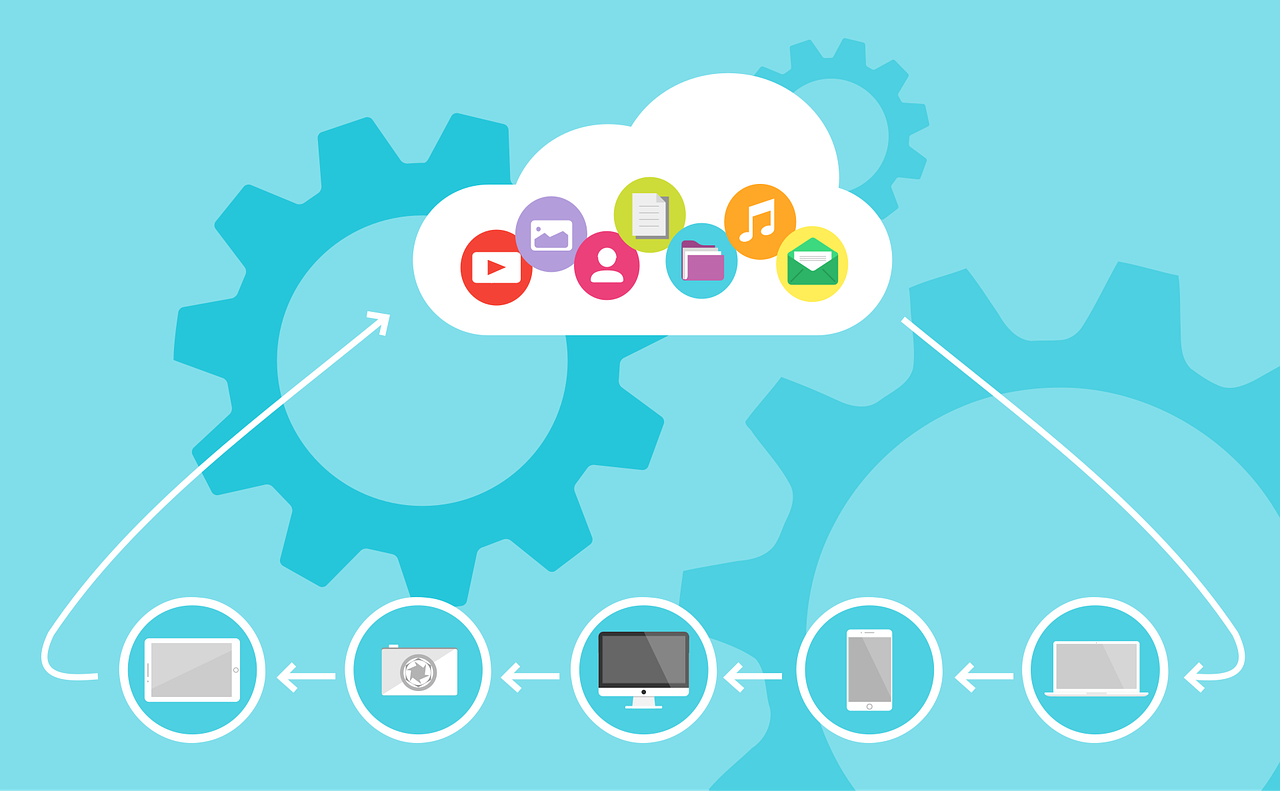
Edge computing refers to the decentralized processing of data closer to its source, typically at the edge of the network. Unlike traditional cloud computing, which relies on centralized data centers, it distributes computing resources to “edge” devices, such as IoT sensors, smartphones, and edge servers. This proximity to data sources reduces latency, improves data security, and enables faster decision-making.
Enhanced Real-time Data Processing
Improved User Experiences
Enhances user experiences across industries, like e-commerce’s personalized recommendations from real-time data. In gaming, it reduces latency for immersive experiences. Processing data on the fly enables faster response times for interactive applications.
Optimized Resource Utilization
Provides resource efficiency by distributing computing tasks across edge machines and cloud servers. This hybrid approach ensures that computational resources are allocated efficiently based on the amount of work required. For example, edge devices can handle time-sensitive tasks locally, while complex computing can be moved to the cloud. This dynamic resource allocation reduces operating costs and improves overall system performance.
Enhanced Data Security and Privacy
Enhances data security and privacy by reducing data exposure during transmission. Because the stream processes and analyzes sensitive information locally, sensitive information can remain within secure boundaries, reducing the risk of unauthorized access or data breaches. This is especially important for businesses that deal with sensitive information, such as healthcare, finance, and the government sector, where data privacy and compliance are paramount.
Scalability and Flexibility
Offers flexibility and adaptability to evolving software needs. As data volumes grow exponentially, this enables distributed scalability, allowing organizations to scale computing resources based on demand. For a software development company, this flexibility is crucial—it ensures that software solutions can adapt to changing business requirements and accommodate fluctuations in user traffic without compromising performance or reliability.
Increased Reliability and Business Continuity
Edge computing improves the reliability of modern software solutions by enabling applications to continue operating even when cloud connectivity is limited or temporarily unavailable. By processing critical data locally, software can maintain essential functions without interruption, ensuring a consistent user experience and minimizing downtime. This is especially valuable for industries such as manufacturing, healthcare, logistics, and smart cities, where uninterrupted operations are critical. As a result, organizations can build more resilient, high-performing software solutions that deliver greater reliability, faster response times, and improved business continuity.
Cost Efficiency and Sustainable Operations
Another significant impact of edge computing on modern software solutions is its ability to reduce operational costs while improving overall efficiency. Since only essential data is transmitted to the cloud, organizations can lower bandwidth consumption, reduce storage requirements, and minimize cloud computing expenses. Processing information locally also decreases network congestion and improves application performance. For businesses managing thousands of connected devices, this approach supports sustainable IT operations by optimizing resource usage and reducing energy consumption. As a result, companies can achieve better performance, improved scalability, and long-term cost savings without compromising security or reliability.
Applications Across Industries
Revolutionizing the software used in businesses, impacting healthcare through real-time analytics and predictive analytics for better outcomes that help build predictive maintenance and autonomous workflows, and increasing productivity. A store benefits from personalized experiences and inventory management, which increase customer engagement.
Challenges and Considerations
While edge computing offers many advantages, it also presents challenges that organizations must address. These include managing distributed services, ensuring data consistency across edge devices, and implementing robust security measures. Organizations need to build scalable and robust edge architectures, prioritize data governance and compliance, and invest in edge-aware development tools and technologies.
Conclusion
Edge computing is changing the landscape of modern software solutions, offering unparalleled opportunities for innovation, efficiency, and user experience. Organizations can open up new possibilities, accelerate digital transformation, and stay at the forefront of today’s competitive marketplace. It will surely shape the future of technology and redefine how we interact with digital experiences.

Join the discussion
Be the first to comment
Share your thoughts, questions or feedback below.
Post your comment
Join the conversation and share your thoughts.