

Why UI/UX Design Matters More Than Ever in Software Development
As a result of recent advances in technology, software development today is much more than clean code writing. Businesses today know that users don’t only look for functionality. They look for more. If an application is visually unattractive, difficult to navigate, or sluggish in response, users will simply look for better options. This is the reason why, in 2025, UI (User Interface) and UX (User Experience) design are and will continue to be as imperative as ever.
Efficiency, enjoyment, and engagement have become the hallmarks of modern software design. Businesses offer attractive interfaces to build better engagement. Prioritizing and focusing on UI/UX design is an issue of level of trust as well, enabling companies to successfully make a distinction from the competition.
Why UI/UX Design Is Crucial in 2025
1. User Expectations Have Changed
To enhance your company’s reputation, you have to make sure that the product you introduce is on par with the leading mobile applications. Today’s users are more tech-savvy than ever. A polished UI/UX design reduces friction and enhances the achievement of user goals.
2. Software Success is Experience-Driven
As the saying goes, “user experience is everything.” This new trend emphasizes that users today are far more satisfied with how accessible, seamless, and pleasant they interact with devices. Companies that invest in user design are more attractive and in higher demand if users are catered to, and it leads to building stronger brand loyalty.
3. First Impressions Decide User Retention
Users only need a few seconds to either appreciate or dislike your software. Sluggish software responsiveness and poor design choices can turn users away instantly. Smooth and polished UI/UX not only facilitates pleasant user interactions but also encourages further engagement.
The Role of UI in Software Development
First impressions matter. Interfaces, as the most visible aspect of software, encompass buttons, menus, and even the layout of typography and colors, all of which can either lead or mislead users to your software.
- A clean, modern interface cultivates trust in users.
- Uniform design elements simplify the user experience.
- Inclusivity features cater to all users, as promoted by the accessibility standards.
In 2025, successful software UI will be defined by minimalism, responsive designs, and user-tailored interfaces.
The Role of UX in Software Development
The product design aesthetics are the focus of UI, but UX deals with the practical aspects of the product. Smooth UX helps ensure:
- Users can accomplish tasks step by step without unnecessary complexity.
- Real-world user needs are integrated and designed into the workflows.
- User interactions are seamless and devoid of cumbersome interactions.
Testing and iterative design are features of UX. It interrelates software functionality with human behavior and ensures certain the software in question addresses the user’s pain points most optimally.
How UI/UX Impacts Business Outcomes
- Increased User Engagement—Software that is intuitive and pleasurable encourages deeper user interaction.
- Better Conversion Metrics – A well-structured design facilitates flow through critical touchpoints from user onboarding to checkout.
- Reduced Support Costs—Services that are easy to figure out intuitively require little to no assistance.
- Market Differentiator—In crowded markets, great UI/UX becomes the differentiator.
Trends in UI/UX Design for 2025
Hyper-Personalization
Modern software goes a step further, modifying user interfaces and even providing the layouts, recommendations, and shortcuts tailored to individual user needs.
Voice and Gesture Controls
Users can go beyond the traditional click and tap interface. Voice and gestures are increasingly becoming a standard user interaction method.
Micro-Interactivity
Hover effects, small animations, and transitions that guide users through the user interfaces make the apps increasingly interesting and develop a sense of effortless guidance.
Inclusive Design
Businesses are committing to developing assistive technologies that cater to users with diverse disabilities.
Cross-Platform Design
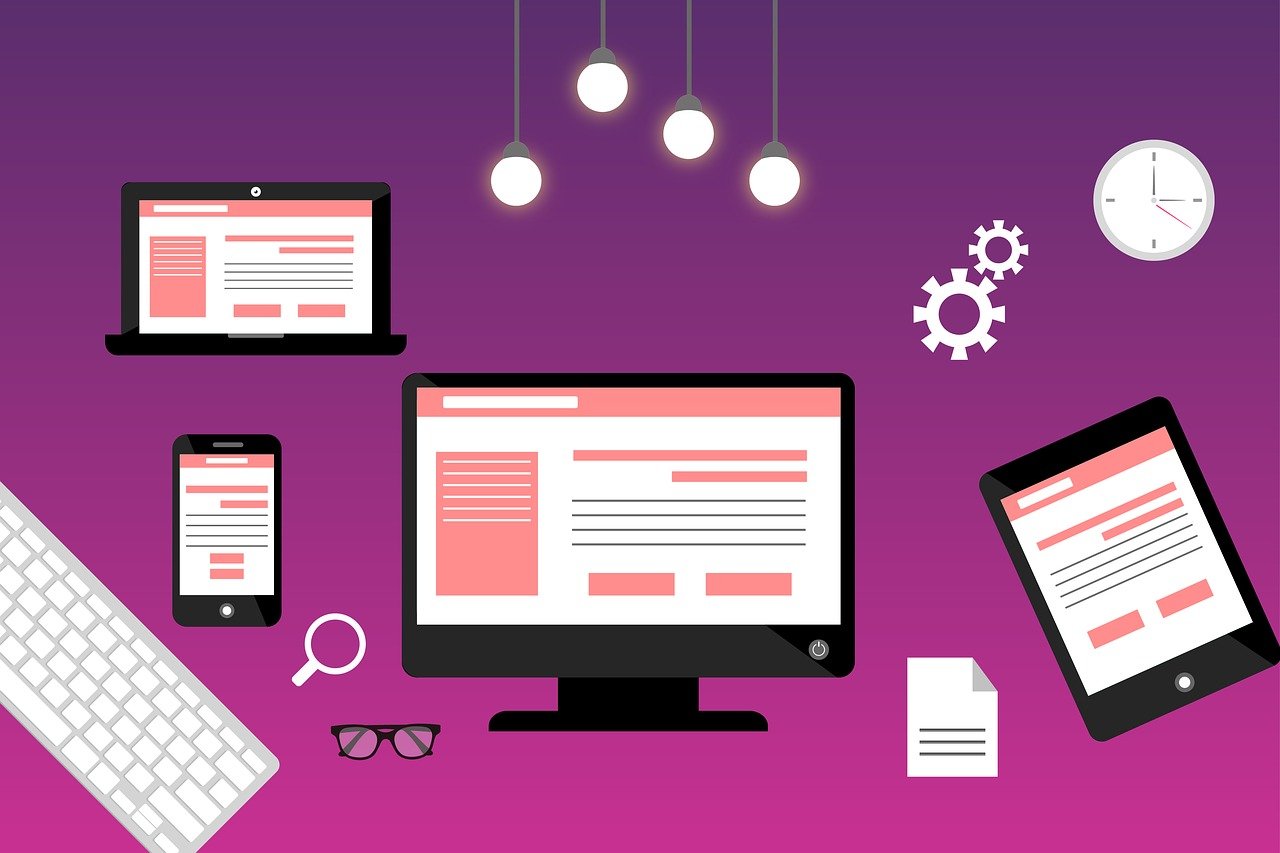
Users will expect smartphones and wearables to have the same design and functionality.
UI/UX and the Future of Software Development
In today’s world, the success of a software product hinges not only on its technical features but also on its usability and appeal to the user. Looking ahead to 2025 and beyond, we can anticipate the following changes:
- Companies that do not prioritize UI/UX will have lower adoption rates.
- User-centric design will create and cement category-defining companies.
- Exceptional design will become a primary driver of digital trust.
Positioning expenditure in UI/UX as a cost center is shortsighted. The returns from such an investment are multifold.
Conclusion
UI/UX design has become a must-have in software development and not just a nice-to-have feature in 2025. Users demand that their interactions with online products be seamless, intuitive, and pleasurable at their initial use. Organizations that invest in design are becoming more connected to their customers, benefiting from customer retention, and outperforming those that neglect the design aspect.
Despite the changes in the software market, the one thing that remains undisputed is that excellent design is the key to making tech innovations become valuable experiences for the users.
FAQs
What is the difference between UI and UX in software development?
While UI is all about visuals—colors, fonts, and layouts—UX involves the overall experience of users and how easily they can accomplish their tasks.
Why is UI/UX design important for business growth?
Quality UI/UX design helps software to be easy and pleasing to the user; thus, customer satisfaction and loyalty are increased. As a result, the company reaps benefits in the form of increased retention, amplified conversions, and enhanced brand performance.
How does UI/UX affect user retention?
Users are more inclined to revisit software that is simple, pleasant, and effective. On the contrary, bad design leads to a situation where many users stop using the software.
What are the top UI/UX trends in 2025?
In 2025, UI/UX is all about one-on-one interactions, voice and gesture controls, and easy navigation across different platforms. Accessibility and tiny animations are changing the way users engage with digital products.
Can small businesses also benefit from investing in UI/UX?
Definitely. Small businesses can also become more competitive by providing good user experiences, which leads to more trust and brand reputation.

Join the discussion
Be the first to comment
Share your thoughts, questions or feedback below.
Post your comment
Join the conversation and share your thoughts.